The Acjachemen are the Indigenous people of San Clemente. After Father Junipero Serra founded Mission San Juan Capistrano in 1776, the Spanish called them Juanenos, and Native people were conscripted to work for the mission while both they and Spanish settlers formed villages nearby. In 1846 Governor Pio Pico granted the northern part of present San Clemente, as Rancho Boca de la Playa, to Emigdio Vejar, who sold it in 1860 to Juan Avila of Rancho Niguel; it later passed through his family to Marcus A. Forster. The rest of the area lay in Rancho Los Desechos, granted to Felipe Carrillo, whose claim Don Juan Forster bought. In 1906 Cornelio Echenique, Marcus Forster's son-in-law, sold the land to the Goldschmidt brothers, who planned to plant vineyards.
More about San Clemente
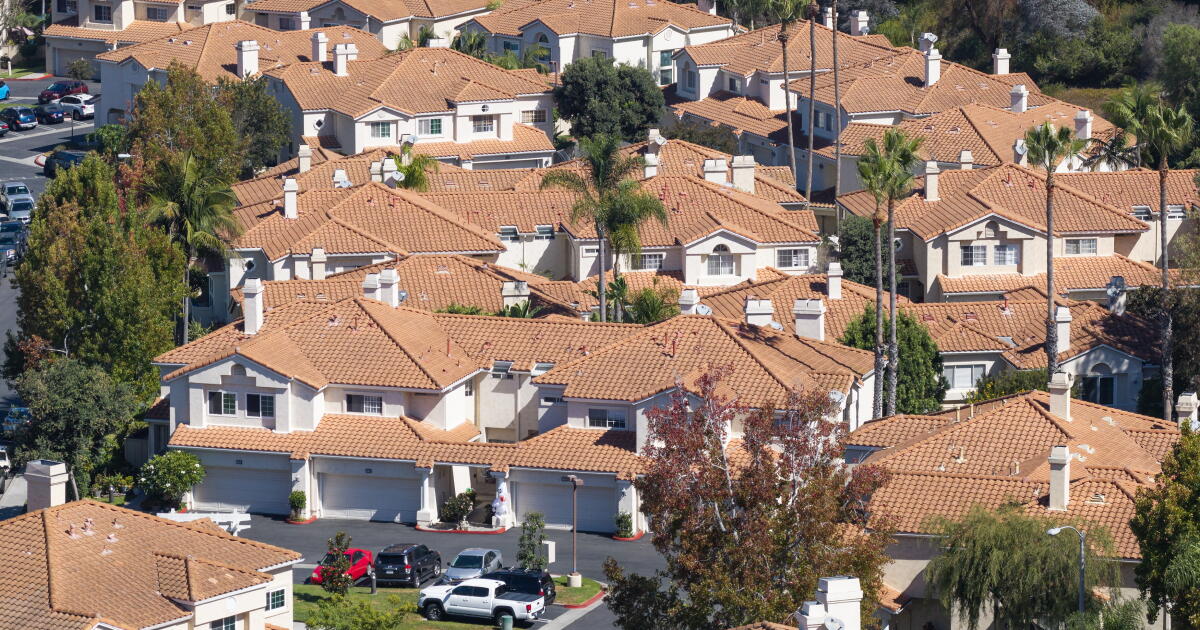
In 1925 Ole Hanson, a former mayor of Seattle and a major land developer, bought the land from the Goldschmidts and, with financing from a syndicate headed by Henry Hamilton Cotton, designed a 2,000-acre community for Californians weary of the big city. He named it for San Clemente Island, which Sebastian Vizcaino had named for Saint Clement in 1602, and envisioned a Mediterranean-style resort, "San Clemente by the Sea," one of the country's first master-planned communities. Hanson added a deed clause requiring building plans to go before an architectural review board to keep red tile roofs and white walls, but the rule proved short-lived, and a mix of styles followed.
Sources
Wikipedia: San Clemente, California