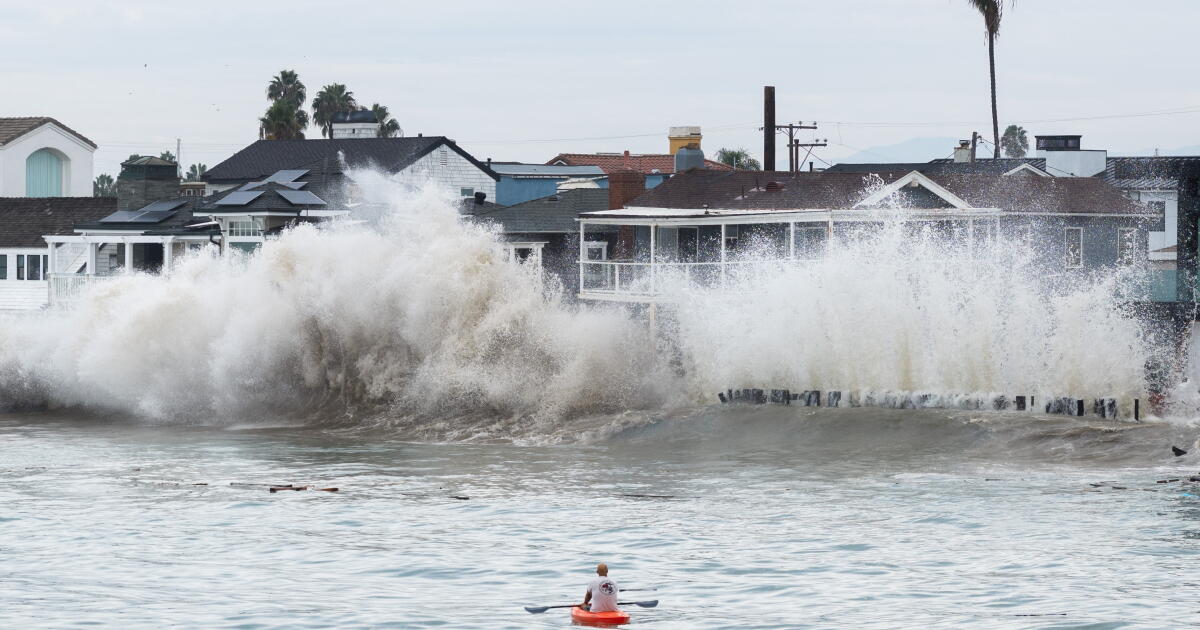
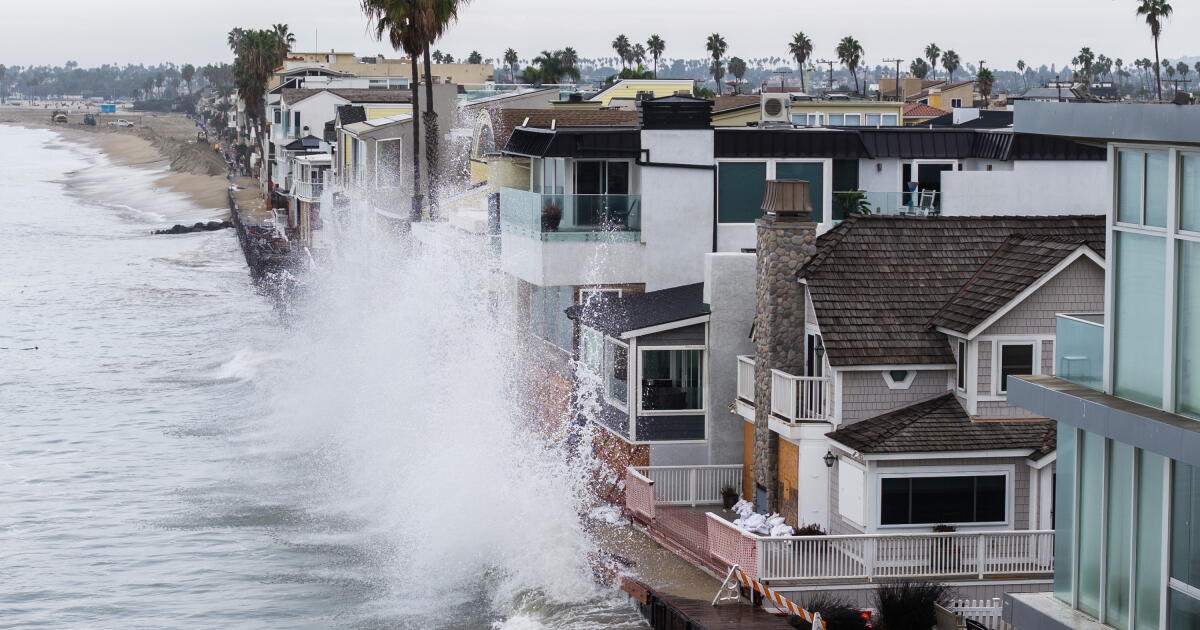
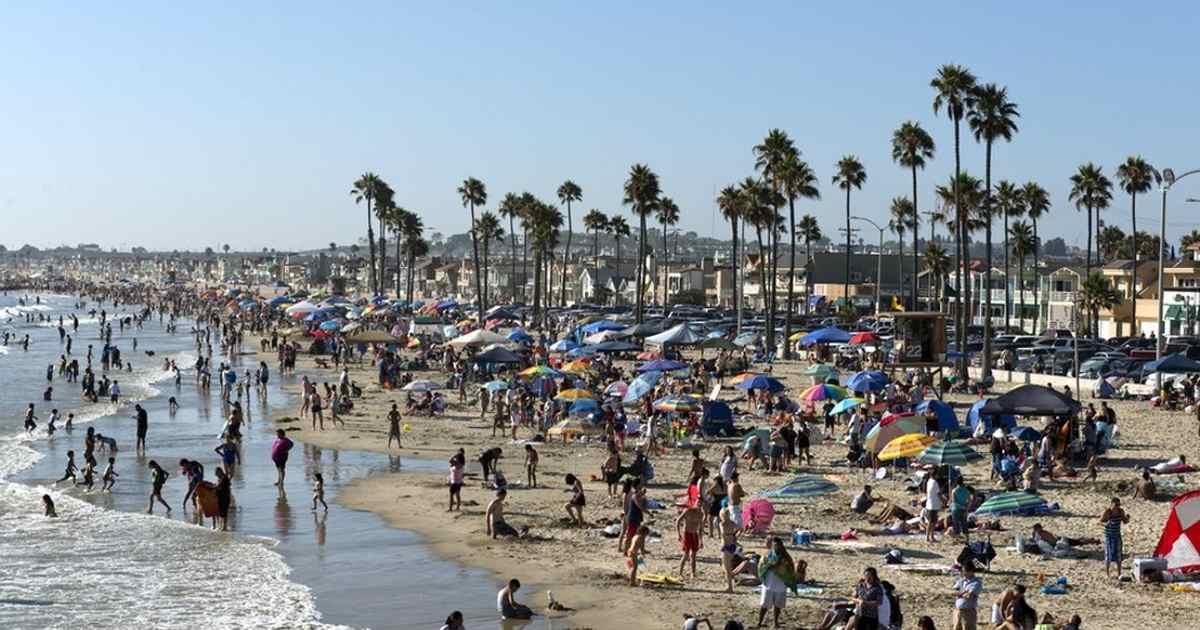
The Upper Bay of Newport is a canyon cut by a stream in the Pleistocene, while the Lower Bay was formed much later by sand carried by ocean currents that built the offshore beach now called the Balboa Peninsula. For thousands of years the Tongva lived there in thriving communities, including the villages of Genga and Moyongna, until the Spanish, Mexicans and Americans in turn displaced them.
More about Newport Beach
The state sold one-acre plots in the Newport area for $1 apiece. Settlement grew after 1870, when Captain Samuel S. Dunnells, ignoring surveyors' warnings, safely steered the 105-ton steamer Vaquero through the lower and upper bay and unloaded its cargo. Hearing the news, James Irvine hurried from San Francisco to the San Joaquin Ranch, and at his ranch house he, his brother Robert Irvine and their friend James McFadden agreed to call the new port simply Newport, the origin of the city's name. McFadden built the long McFadden Wharf in 1888, and it became a shipping hub.
In 1905 the Pacific Electric Railway opened a southern terminus at Newport, linking the beach with downtown Los Angeles, and development sped up. In 1906, with 206 residents, the scattered settlements were incorporated as the City of Newport Beach. The Peninsula, West Newport, Newport Island, Balboa Island and Lido Isle filled in, Corona del Mar was annexed in 1923, and Newport Coast and other areas were added in 2002.
Sources
Wikipedia: Newport Beach, California