Native Americans lived along this stretch of the Columbia River for millennia, and Lewis and Clark passed through in 1805 and 1806. The Umatilla and Yakama ceded the land at the Walla Walla Council in 1855. The name may come from a Native word said to mean "grassy place," and from 1886 to 1891 the area was known as Tehe. In 1887 the Northern Pacific built a temporary bridge to Pasco that winter ice partly swept away, and a permanent bridge was finished in 1888. In the 1890s the Northern Pacific Irrigation Company installed pumps and ditches, and orchards, vineyards and strawberries followed.
More about Kennewick
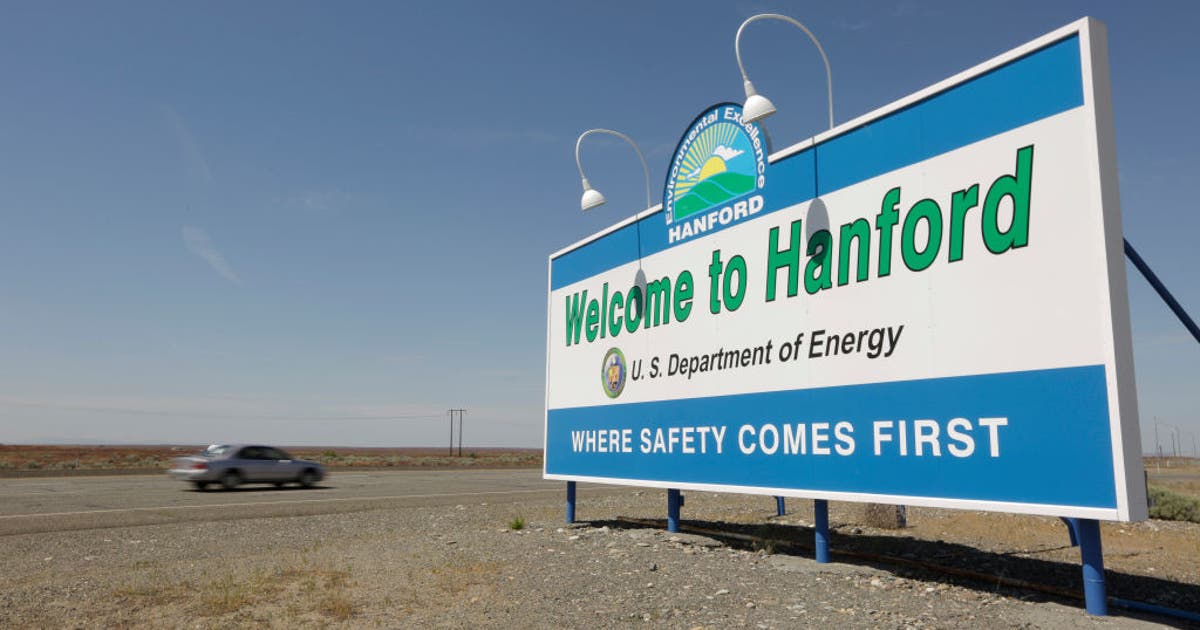
Kennewick was incorporated on February 5, 1904. The Celilo Canal opened in 1915, the year the Port of Kennewick was formed, and the Green Bridge to Pasco opened in 1922. In 1943 the government opened the Hanford nuclear site to the north, whose plutonium was used in the bomb dropped on Nagasaki, and Kennewick grew from 1,918 people in 1940 to 10,085 in 1950. In 1963 regional NAACP leaders pressed the state to investigate the city's practices, and a state board later cited Kennewick for its status as a sundown town.
Ash from the 1980 eruption of Mount St. Helens fell so thick that streetlights came on at noon. Interstate 82 reached the area in 1986. In 1996 an ancient skeleton about 9,300 years old, known as Kennewick Man, was found on the Columbia's bank, and a 2015 genetic study linked it to the area's Native Americans.
Sources
Wikipedia: Kennewick, Washington